
A Beginner’s Guide to Smart Home Devices and Setup
In recent years, the rise of smart home devices has transformed the way we interact…
In recent years, the rise of smart home devices has transformed the way we interact with our living spaces. As technology continues to advance, consumers are increasingly drawn to the convenience and efficiency that these gadgets offer. From smart speakers to automated lighting systems, the options are vast and varied, making it essential for beginners to understand how to navigate this evolving landscape.
Understanding Smart Home Devices
Smart home devices are electronic gadgets that connect to the internet and can be controlled remotely. They range from simple devices like smart bulbs to more complex systems such as smart thermostats and security cameras. According to recent market research, the global smart home market is projected to reach $174 billion by 2025, reflecting a compound annual growth rate of 25% from 2020. This rapid growth indicates a significant shift in consumer behavior towards adopting technology that enhances home automation.
One of the key benefits of smart home devices is their ability to improve energy efficiency. For instance, smart thermostats can learn your heating and cooling preferences, adjusting temperatures automatically to save energy when you’re not home. This not only reduces utility bills but also contributes to a more sustainable lifestyle, appealing to environmentally conscious consumers. Key Insight: As more households prioritize sustainability, the demand for energy-efficient smart devices is likely to increase.
Choosing the Right Devices
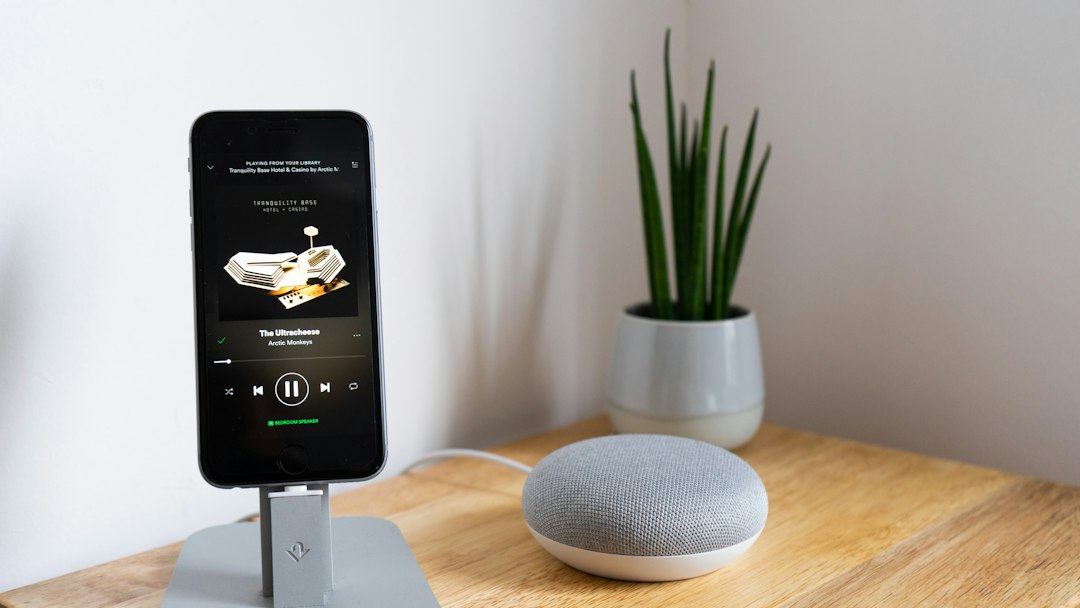
When starting your smart home journey, it’s crucial to identify which devices will best suit your needs. Begin by considering the areas of your home that could benefit from automation. Popular choices include smart lighting, security systems, and voice-activated assistants. Each device serves a unique purpose, and understanding these functionalities can help you make informed decisions. For example, smart speakers like Amazon Echo or Google Nest can control other smart devices, play music, and provide information, making them a versatile addition to any home.
Additionally, compatibility is a significant factor to consider when selecting smart devices. Many products operate on different ecosystems, such as Amazon Alexa, Google Assistant, or Apple HomeKit. Ensuring that your devices can communicate with each other will enhance your overall smart home experience. Researching compatibility before purchasing can save you from potential frustrations down the line.
Setting Up Your Smart Home
Once you’ve chosen your devices, the next step is setting them up. Most smart home devices come with user-friendly apps that guide you through the installation process. Typically, this involves connecting the device to your home Wi-Fi network and configuring settings via the app. It’s advisable to start with one or two devices to avoid feeling overwhelmed. As you become more comfortable, you can gradually expand your smart home ecosystem.
Security is another critical aspect of setting up smart home devices. Ensure that your Wi-Fi network is secure, and consider using strong, unique passwords for each device. Regularly updating your devices’ firmware can also protect against vulnerabilities. By taking these precautions, you can enjoy the benefits of smart technology without compromising your home’s security.
Integrating Automation and Routines
One of the most exciting features of smart home devices is the ability to create automation and routines. For instance, you can set your smart lights to turn on at sunset or program your coffee maker to start brewing at a specific time each morning. These automations not only enhance convenience but also contribute to a more efficient daily routine. According to a survey, 70% of smart home users reported that automation significantly improved their quality of life.
Moreover, integrating multiple devices into a cohesive system can elevate your smart home experience. For example, you can create a ‘Good Night’ routine that turns off all lights, locks the doors, and adjusts the thermostat with a single command. This level of integration showcases the true potential of smart home technology, making everyday tasks simpler and more enjoyable.
Staying Informed and Future Trends
The smart home market is continually evolving, with new technologies and devices emerging regularly. Staying informed about the latest trends can help you make the most of your smart home setup. For instance, advancements in artificial intelligence are leading to more intuitive devices that can learn from user behavior and adapt accordingly. This trend is expected to drive further adoption of smart home technology in the coming years.
Additionally, as consumer demand for smart home devices grows, manufacturers are likely to focus on enhancing interoperability among devices. This means that future devices may work seamlessly together, regardless of the brand. By keeping an eye on these developments, you can ensure that your smart home remains at the forefront of technology, providing you with the best possible experience.